
How Long Should Your Roof Last? A Quick Overview
Here’s the straightforward answer: most roofs last between 15 and 50 years. But that’s a pretty big range, right?
The real answer depends on what your roof is made of. Asphalt shingles won’t last as long as metal or tile. Where you live matters too. A roof in Arizona faces different challenges than one in Minnesota. And how well you maintain it? That’s huge. Roof materials longevity varies widely, so let’s break down what you can actually expect.
Roof Lifespan by Material: How Long Do Different Roof Types Last?
Asphalt Shingle Roof Lifespan
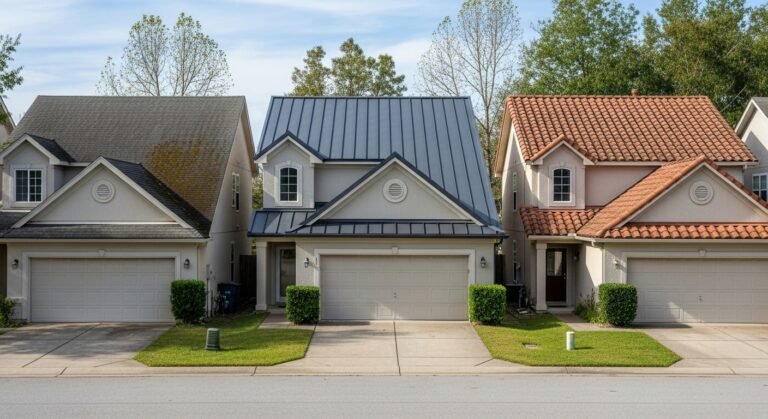
Asphalt shingles are the most common roofing material in America, and for good reason they’re affordable and pretty reliable. Your typical asphalt shingle roof lifespan runs about 15 to 30 years. Some premium shingles can push closer to that 30-year mark, while basic three-tab shingles might give out closer to 15 or 20 years.
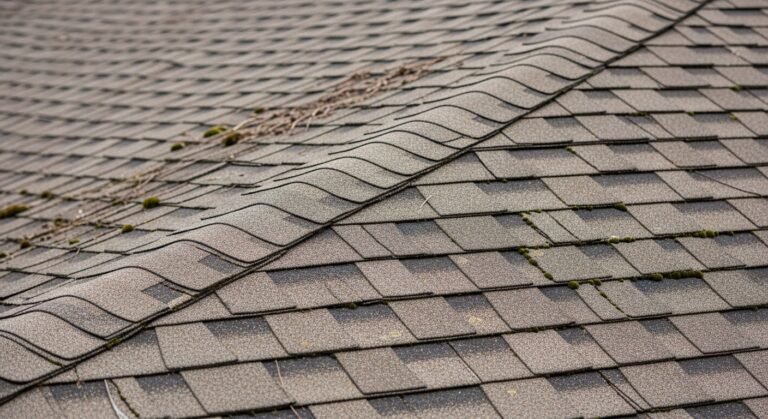
What affects how long yours will last? Weather is a big one. If you’re in an area with harsh winters or brutal summers, you’ll see more roof wear and tear. Regular maintenance helps too. Keep those shingles in good shape, replace damaged ones quickly, and you’ll squeeze more years out of your roof. As your roof ages, watch for curling, cracking, or missing shingles those are telltale signs it’s getting tired.
Metal Roof Durability
Want something that’ll outlast you? Metal might be your answer. Metal roof durability is seriously impressive these roofs typically last 40 to 70 years. Some can even hit 100 years with proper care.
Metal roofs handle weather like champs. They don’t rot, they resist fire, and they shed snow and rain easily. The roof materials longevity you get with metal is a major selling point, even though the upfront cost is higher than asphalt. If you’re curious about the installation process, checking out resources on how do you install steel roofing can give you a better sense of what’s involved.
Tile Roof Lifespan
Tile roofs whether clay or concrete can last 50 years or more. Some tile roofs in Europe have been around for centuries. They’re beautiful, durable, and excellent at insulating your home.
But here’s the catch: they’re heavy. Really heavy. Your home’s structure needs to support all that weight. They also require more roof maintenance than you might think. Individual tiles can crack or slip, especially after storms. And replacing broken tiles isn’t always cheap. But if you’ve got the right setup and you stay on top of maintenance, a tile roof can be a lifetime investment.
Factors Affecting Roof Lifespan
So what actually determines whether your roof hits the high end or low end of its expected lifespan?
The material itself is the obvious starting point. We’ve covered that above metal lasts longer than asphalt, tile lasts longer than wood, and so on.
Weather and climate play a massive role. Extreme heat causes shingles to dry out and crack. Heavy snow loads can stress your roof structure. Constant rain can lead to moisture damage. Hurricane-force winds can tear off materials entirely. If you live somewhere with wild weather swings, your roof takes more punishment.
How your roof was built matters more than you might think. Poor installation can cut years off your roof’s life. Was the underlayment installed correctly? Are the shingles properly nailed down? Is there adequate ventilation? A roof that’s installed right will always outlast one that was thrown together quickly.
Maintenance is where you have the most control. Take care of your roof, and it’ll take care of you. Ignore it, and even the best materials won’t last as long as they should.
How to Extend Your Roof’s Life: Tips and Best Practices
You can’t control the weather, but you can definitely extend your roof’s life with some smart habits.
Clean your gutters regularly. Clogged gutters cause water to back up under your shingles, and that’s a fast track to leaks and rot. Twice a year minimum spring and fall get up there and clear them out.
Check for damage after storms. Walk around your house and look for loose, cracked, or missing shingles. Catching problems early means small repairs instead of big ones.
Trim overhanging branches. Trees rubbing against your roof cause wear and tear. They also drop leaves that hold moisture and clog gutters. Keep them trimmed back.
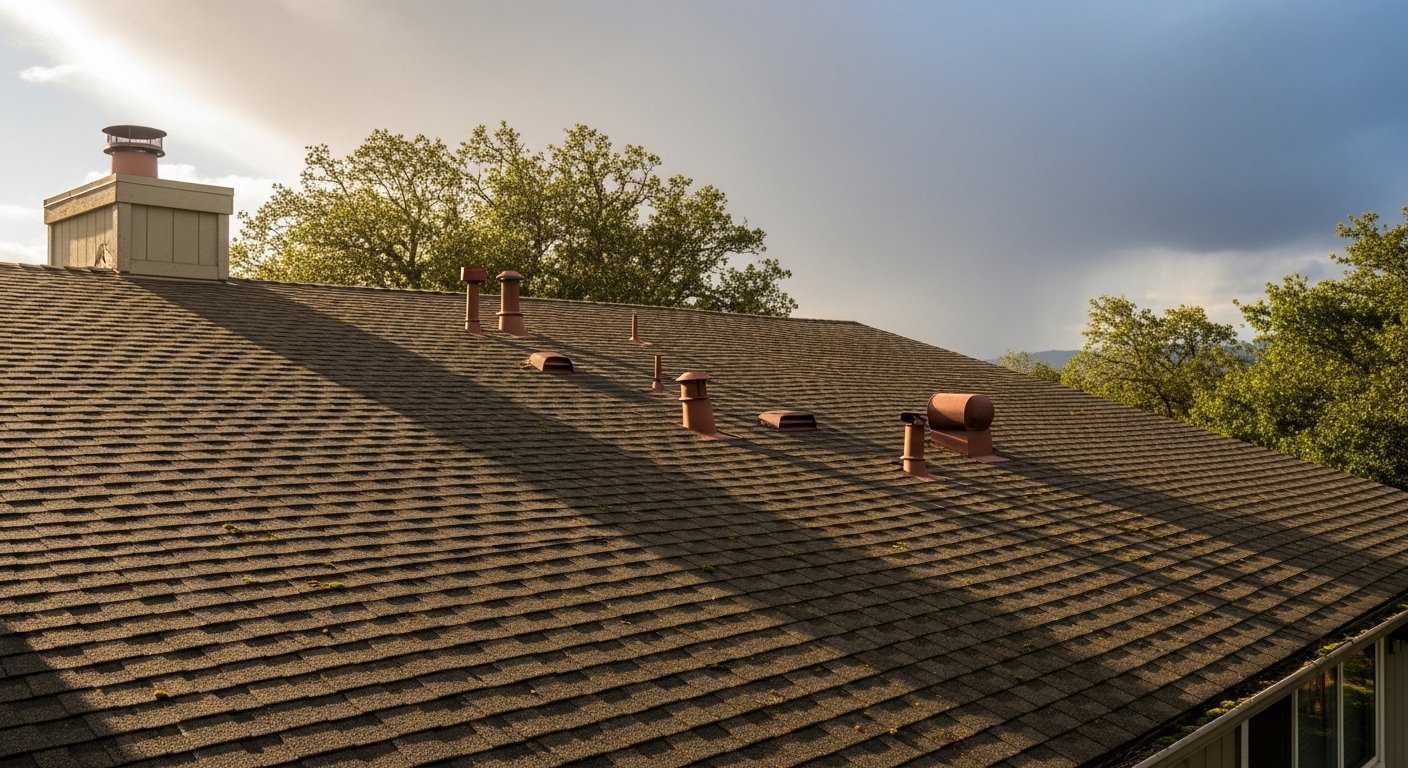
Look for gaps and cracks. Check around chimneys, vents, and skylights. Those are common spots for leaks to start. If you see gaps, seal them up with roof sealant before water gets in.
Keep your attic ventilated. Proper ventilation prevents heat and moisture buildup that can cook your shingles from the inside out. Make sure your vents aren’t blocked.
Roof Maintenance and Inspection: Key to Longevity
Here’s the thing about roof inspection most problems start small. A tiny crack in a shingle, a loose flashing, a bit of missing sealant. If you catch these early, fixing them is quick and cheap. If you don’t, they turn into leaks, water damage, mold, and eventually structural issues.
Get a professional inspection every few years. After major storms, it’s smart to have someone take a look even if you don’t see obvious damage. Professionals know what to look for that you might miss.
Between professional visits, do your own visual checks. You don’t need to climb up there just walk around your house and look. Are shingles intact? Any visible damage? Any stains on your ceiling inside? These simple checks can save you thousands in roof repair vs replacement costs down the line.
When Should You Replace Your Roof? Signs It's Time
How do you know when it’s time to replace instead of just repair?
Extensive roof wear and tear. If more than 25-30% of your roof is damaged, replacement often makes more sense than patching.
Missing or severely damaged shingles. A few here and there? Repair. Whole sections gone or curling badly? Time to replace.
Your roof is old. If your asphalt shingle roof is pushing 20-25 years, even if it looks okay, it’s living on borrowed time. Start planning for replacement.
Leaks keep happening. One leak, you patch it. Multiple leaks in different spots? Your roof is telling you something.
Water stains inside your home. Stains on ceilings or walls mean water’s getting in. Even if you fix the immediate problem, it might indicate broader issues.
Sagging or structural issues. This is serious. A sagging roof means structural damage and needs immediate attention.
When you’re weighing options, think about roof replacement cost versus the cost of ongoing repairs. Sometimes spending money on repairs for an old roof is like putting bandaids on a sinking ship.
Roof Replacement: How Often Should You Replace a Roof?
So how often to replace a roof? It depends on what you’ve got up there.
Asphalt shingles: every 20-25 years on average, though some may need it sooner or last a bit longer.
Metal roofs: every 50+ years, though many never need replacing in a homeowner’s lifetime.
Tile roofs: every 50+ years, assuming individual tiles are replaced as needed.
Your specific roof replacement timing depends on material, climate, and maintenance. A well-maintained metal roof in a mild climate could last 70 years. An asphalt roof in hurricane country might need replacing after 15 years.
Don’t wait until you have major problems. If your roof is approaching the end of its expected lifespan, start planning and budgeting for replacement. It’s much better to replace on your schedule than in an emergency after a major leak.
Roof Repair vs. Roof Replacement: Which Option Is Best?
This is the million-dollar question literally, sometimes.
Go with repair if:
- The damage is localized to one area
- Your roof is relatively young (less than halfway through its expected life)
- The repair cost is reasonable compared to replacement
- The underlying structure is sound
Go with replacement if:
- Your roof is near the end of its lifespan
- Damage is widespread
- You’re constantly dealing with new problems
- The roof replacement cost, while higher upfront, makes more financial sense long-term
Sometimes the math is tricky. Spending $1,500 on repairs seems cheaper than $10,000 on replacement. But if you’re making those repairs every couple of years on an aging roof, replacement would have been the better deal.
How Long Does Roof Maintenance Last?
Good maintenance doesn’t just keep your roof in decent shape it literally adds years to its life.
A properly maintained asphalt roof might last 25-30 years instead of 15-20. Metal roofs can hit that 70-year mark instead of 40. Regular maintenance can add a decade or more to your roof’s system life expectancy.
What does maintenance buy you? It catches small problems before they become big ones. It keeps your roof clean and functioning properly. It ensures water flows away like it should. All of that translates to more years of reliable protection.
Roof Inspection: A Preventive Step for Longevity
Think of roof inspections as checkups for your house. You go to the doctor even when you feel fine, right? Same concept.
Most experts recommend a professional roof inspection every 2-3 years for newer roofs, and annually for roofs over 10 years old. Also get one after any major storm or weather event.
During an inspection, professionals look for roof wear and tear, damaged materials, problem areas around chimneys and vents, proper drainage, ventilation issues, and early signs of leaks. They can spot problems you’d never notice and fix them before they cause serious damage.
What Affects the Cost of Roof Replacement?
When it comes time to replace, what determines the price tag?
Your roof material is the biggest factor. Asphalt is cheapest, metal costs more, and tile or slate is the most expensive. But remember, you’re also paying for longevity that metal roof might cost twice what asphalt does, but it lasts three times as long.
Roof size obviously matters. More square footage means more materials and labor.
Where you live affects both material costs and labor rates. Roofing in a major city typically costs more than in rural areas.
Roof complexity plays a role too. A simple ranch-style roof costs less per square foot than a Victorian with multiple peaks, valleys, and angles.
Local weather conditions can influence what materials are available and recommended, which affects cost.
Understanding how roof lifespan relates to these costs helps you make smart decisions. Paying more upfront for a longer-lasting material often makes financial sense over the decades you’ll own your home.
Taking Care of Your Roof to Extend Its Life
Your roof is protecting everything you value your family, your belongings, your home itself. Taking care of it isn’t just about avoiding expensive repairs, though that’s certainly a nice benefit. It’s about peace of mind.
Stay on top of maintenance. Schedule regular inspections. Address problems when they’re small. These simple steps can add years to your roof’s life and save you serious money.
If you’re not sure about your roof’s condition or you’re seeing warning signs, don’t wait. Getting a professional opinion now could prevent a crisis later. For expert roof care, inspections, and honest advice about whether you need repairs or replacement, Manhattan Roofing is here to help keep your home protected for years to come.