Can You Paint a Metal Roof? Complete Guide for Homeowners Yes, you can absolutely paint a metal roof and if it’s done right, it can make a big difference in how your roof looks and holds up over time. Whether your roof has started to fade, show rust, or just look a little tired, a fresh coat of the right paint can breathe new life into it. Homeowners repaint metal roofs for all kinds of reasons. Some want to stop rust before it spreads. Others are hoping to improve how their home looks from the street. And some just want to add an extra layer of protection against the elements. Whatever your reason, painting a metal roof is a solid option as long as you go about it the right way. Metal roofs come in a lot of different materials steel, aluminum, galvanized metal, tin, and more. Each one behaves a little differently when it comes to paint, but all of them can be painted successfully with the right prep work and products. Let’s walk through everything you need to know. Is It a Good Idea to Paint a Metal Roof? In most cases, yes painting a metal roof is a really smart move. It’s one of those maintenance tasks that pays off in more ways than one. First, paint acts as a protective coating. It shields your roof from rain, UV rays, wind, and temperature swings. That protection helps slow down oxidation and corrosion, which are the main reasons metal roofs start to break down over time. Second, certain paints especially lighter colors and reflective coatings can improve your roof’s reflectivity. That means less heat absorbed into your home during hot months, which can actually lower your energy bills. Third, painting is often a great alternative to full replacement. If your roof is structurally sound but just looks rough or has some surface rust, a good repaint and coating can extend its life by many more years. That said, it’s not a magic fix. If your roof has serious structural damage or deep rust that’s eaten through the metal, paint alone won’t solve the problem. But for most homeowners dealing with surface wear, painting is a cost effective and practical solution Pros and Cons of Painting a Metal Roof Here’s a quick look at the pros and cons of painting a metal roof so you can decide if it’s the right move for you. Pros: Lower cost than replacing your roof entirely Improves energy efficiency with reflective coatings Adds a fresh protective coating layer that fights rust and weather damage Great for metal roof restoration without a full tear off Refreshes your home’s curb appeal quickly Cons: Requires thorough surface preparation skip this and the paint won’t last Paint will eventually need to be reapplied after several years DIY mistakes like poor adhesion or wrong product choice can lead to peeling Some roof types (steep pitches, large commercial roofs) can make DIY risky How to Prepare a Metal Roof for Painting Here’s the honest truth: preparation is everything. You can use the best paint in the world, but if the surface isn’t ready, it’ll peel, bubble, or flake within a couple of years. Take your time with this part. Cleaning a Metal Roof Before Painting Start with a thorough cleaning. You want a surface that’s completely free of dirt, oil, mildew, and debris. Pressure washing is usually the most effective approach. Use a medium-pressure setting so you clean the surface without denting or warping the metal. Work from the top down and let it dry completely before moving on. If there’s old peeling paint, that needs to come off too. Loose or flaking paint will ruin your new coat if it’s left underneath. Use a scraper or wire brush to remove it, then clean again. Treating Rust Before Painting Can rusty metal roofs be painted? Yes but you have to deal with the rust first. Painting over rust without treating it is one of the biggest mistakes homeowners make. For light surface rust, wire brushing or sanding is usually enough to clear it away. Get down to the bare metal and then move on to priming. For heavier oxidation, consider using a rust converter. These products chemically react with the rust and turn it into a more stable compound that won’t keep spreading. It’s a great option for steel and tin roofs that have some serious surface corrosion but are still structurally solid. Don’t skip this step. Rust will keep spreading under paint if you don’t stop it first. Applying Primer for Metal Roof Painting Do you need primer on a metal roof? Absolutely, yes. Primer is the bridge between your roof surface and your topcoat. Without it, paint has a hard time bonding to smooth or treated metal, and it’ll start peeling much sooner than it should. Use a primer that’s specifically made for metal surfaces. Look for rust-inhibiting formulas they provide an extra layer of protection while also improving adhesion. Let the primer dry fully before applying your paint. Rushing this step is a common DIY mistake that leads to poor results. Best Paint to Use on a Metal Roof Not all paint is created equal when it comes to metal roofing. Here are the main types you’ll want to consider: Acrylic Roof Paint Acrylic paint is one of the most popular choices for metal roofs. It’s flexible, which means it can expand and contract with the metal as temperatures change. It’s also weather resistant and holds up well against UV exposure. Great for residential metal roofs that need a reliable, long-lasting finish. Elastomeric Roof Coatings If you want serious waterproofing and protection, elastomeric coatings are worth the upgrade. These are thicker than standard paint almost like a rubber membrane once cured. They fill small cracks, resist water penetration, and can significantly extend your roof’s life. They’re a bit more expensive but deliver better durability. Enamel or Epoxy Paint Enamel and epoxy paints offer industrial strength
What Is a Gable Roof? A Complete Friendly Guide
What Is a Gable Roof? A Complete Friendly Guide If you’ve ever looked at a house and noticed the triangular shape at the end of the roof, you’ve already seen a gable roof. It’s one of the most common roof styles in North America and for good reason. Whether you’re buying a home, planning a renovation, or just trying to understand what your contractor is talking about, this guide will walk you through everything you need to know. No confusing jargon. No engineering degree required. Just clear, simple answers. And yes, the type of roof over your head actually affects your health. A well-designed gable roof helps with drainage, ventilation, and keeping moisture out all things that directly impact the air you breathe inside your home. Define Gable Roof Basic Structure and Anatomy What Does a Gable Roof Look Like? Picture a classic house drawing from childhood. Two sloping sides meeting at the top, with a triangular wall at each end. That’s a gable roof. The triangle-shaped wall you see at the end of the house is called the gable wall. The very top where the two slopes meet is the apex or more commonly, the ridge. Here are the main parts you’ll notice from the outside: Ridge – The peak running along the top of the roof Rafters – The sloped beams that support the roof surface Eaves – The lower edges of the roof that hang over the walls Fascia – The flat board running along the eave line Soffit – The underside of the roof overhang Gutters – Attached to the fascia to carry rainwater away Overhang – How far the roof extends past the exterior walls Each of these parts plays a role in protecting your home. And together, they form a system that keeps water out and air flowing. Gable Roof Structure Explained Underneath those shingles, there’s a lot going on. The gable roof structure starts with a framing system made up of rafters or trusses these carry the weight of the entire roof. A ridge board runs along the top and connects the rafters on both sides. Below that, joists and beams tie everything together and transfer the load down to your walls and foundation. On top of the framing goes the decking usually plywood or OSB followed by a waterproof underlayment. Then comes your visible roof covering, which could be asphalt shingles, metal panels, slate, clay tiles, or wood shakes. Ventilation is built into the structure too. Ridge vents at the top and soffit vents at the bottom create airflow through the attic. This keeps temperatures balanced and prevents moisture from building up inside which matters more than most people realize. Why Is It Called a Gable Roof? The word “gable” comes from old Germanic and Norse roots, referring to the triangular end of a wall beneath a pitched roof. It’s been part of architecture for centuries. You’ll find gable roofs on ancient Greek temples, medieval European homes, and pretty much every suburban neighborhood in America today. The design is timeless because it works. Simple geometry, effective water shedding, and easy construction made it the go-to choice for builders across generations. Today, it’s still the default for residential construction in most of the country. What Is the Purpose of a Gable Roof? So what is a gable roof actually used for, beyond just covering your house? Drainage is the big one. The two sloping sides naturally push rain and snow off to the sides. Water doesn’t pool. It flows down and into the gutters. That means less risk of leaks, rot, or structural damage over time. A gable roof also creates attic space. That extra room above your ceiling can be used for storage, insulation, or even a living space if the pitch is steep enough. Ventilation is another huge benefit especially for your health. When warm, humid air rises into the attic, it needs somewhere to go. The gable design allows air to circulate naturally, reducing condensation, discouraging mold growth, and keeping your insulation performing the way it should. From a practical standpoint, gable roofs are also cost-effective and straightforward to build. Fewer complicated angles mean faster construction and lower labor costs. How Does a Gable Roof Work? The mechanics are pretty simple. Two roof panels slope away from a central ridge at the top. Gravity does the work rain runs down the slope, snow slides off, and everything drains away from the house. The pitch of the roof (how steep it is) determines how fast water moves off and how much snow load it can handle. Steeper pitches shed snow faster. Shallower pitches are better in mild climates with little precipitation. The structure transfers weight from the roof surface, down through the rafters, into the walls, and finally into the foundation. It’s a clean load path that’s been trusted for centuries. Airflow works on a similar principle. Cool air enters through soffit vents at the bottom of the roof. Warm air escapes through ridge vents at the top. This passive ventilation system keeps your attic dry and your energy bills in check. Understanding roof pitch is key to evaluating any gable roof design. If you want to dig deeper into the numbers, check out this guide on how to calculate roof pitch it breaks down the math in plain English. What Is the Angle of a Gable Roof? The angle or pitch is expressed as a ratio. A 4:12 pitch means the roof rises 4 inches for every 12 inches of horizontal run. Common residential pitches range from 4:12 to 9:12, though steeper roofs do exist. Here’s a quick breakdown: Low pitch (2:12 to 4:12): Easier to walk on, but slower drainage Medium pitch (4:12 to 6:12): Most common in residential homes, great balance of drainage and wind resistance Steep pitch (8:12 and above): Fast drainage and great for snow, but higher construction costs Pitch affects everything snow load capacity, wind pressure, attic height, and even how long your shingles
What Is a Green Roof? (Complete Guide)
What Is a Green Roof? (Complete Guide) A green roof is exactly what it sounds like a roof covered with real, living plants. Instead of shingles or tiles, you get greenery growing right on top of a building. It’s one of the smartest ways cities are fighting pollution, heat, and flooding all at once. You might also hear people call it a living roof, an eco roof, a vegetative roof, or a sustainable roof. They all mean the same thing. And once you understand how these roofing systems work, it’s hard not to see why they’re catching on fast. Green roofs are a big part of what urban planners call “green infrastructure” using nature to solve city problems. They clean the air, cool down neighborhoods, and even help people feel less stressed. If you’ve ever wondered whether a rooftop could do more than just keep the rain out, the answer is yes a lot more. Green Roof Meaning and Definition So what exactly is a green roof? The simple green roof definition is this: it’s a roofing system where the top layer is made up of vegetation and a growing medium, like soil or a special substrate, instead of conventional roofing materials. When you define green roof in practical terms, think of it as a mini ecosystem sitting on top of a structure. There’s a carefully designed system underneath those plants waterproofing membrane, drainage layers, and root barriers all working together to protect the building while supporting plant life above. A green roof system isn’t just a layer of dirt with some grass tossed on top. It’s engineered. Every component has a job. The result is a living, breathing roof that works harder than a standard one ever could. How Does a Green Roof Work? Here’s how a green roof works in plain terms. When it rains, instead of water rushing straight off your roof and into storm drains, the plants and growing medium absorb it. The vegetation drinks it up, the soil holds onto more, and what’s left drains away slowly. That’s green roof stormwater management in action. There’s also a process called evapotranspiration basically, plants releasing moisture back into the air. This cools the air around the building naturally. It’s one of the main reasons green roofs help fight the urban heat island effect, where cities get significantly hotter than surrounding rural areas because of all that concrete and asphalt soaking up heat. Beyond cooling, green roofs offer real green roof insulation benefits. The extra layers slow heat transfer through the roof. In summer, your building stays cooler. In winter, less heat escapes. That means your HVAC system doesn’t have to work as hard. Plants also absorb carbon dioxide and filter out air pollutants. That’s a direct benefit to air quality not just for the building owner, but for everyone in the neighborhood. What Are Green Roofs Made Of? (Green Roof Structure & Layers) Understanding green roof structure helps you appreciate why these systems cost what they do. It’s not just soil and plants. There are multiple green roof layers, each with a specific purpose. Typical Green Roof Layers Here’s a breakdown of the main green roof components from bottom to top: Structural deck The foundation everything sits on. It has to be strong enough to support the added weight of a green roof system. Waterproofing membrane This is critical. It’s the barrier that keeps moisture from seeping into the building. Root barrier Prevents plant roots from pushing through and damaging the waterproofing layer below. Drainage layer Moves excess water away efficiently so roots don’t sit in standing water. Filter layer Keeps fine soil particles from clogging the drainage layer over time. Growing medium (substrate) This is a specially engineered, lightweight soil mix that supports plant growth without being too heavy. Vegetation The top layer. Depending on the type of green roof, this could be sedum, grasses, herbs, wildflowers, shrubs, or even trees. One thing homeowners often overlook is the role of flashing in all of this. If you want to understand what is flashing on a roof, it’s the metal or material used to seal the edges and joints of a roof. In a green roofing system, proper flashing is essential it protects the waterproofing membrane at vulnerable spots like edges, drains, and penetrations, and without it, leaks can undermine the entire system. Types of Green Roofs Not all green roofs are the same. There are three main types, and the right one depends on your building, your budget, and what you want to do with the space. Extensive green roofs are the most common and most affordable. They’re lightweight, low maintenance, and usually planted with tough, drought-resistant plants like sedum. You don’t walk on them. They’re designed to just sit there, do their job, and look after themselves. Perfect for most residential and commercial buildings. Intensive green roofs are basically rooftop gardens. They’re deeper, heavier, and can support shrubs, small trees, and walkable paths. Think of a rooftop park in a big city. They’re beautiful and impressive, but they require more structural support, more maintenance, and a bigger upfront investment. Semi-intensive green roofs sit right in the middle. More variety than an extensive roof, less complexity than a full intensive setup. They offer a good balance of aesthetics and practicality for buildings that can handle moderate weight loads. Type Depth Weight Maintenance Plants Extensive 2–6 inches Light Low Sedum, moss, grasses Semi-intensive 6–12 inches Medium Moderate Herbs, grasses, perennials Intensive 12+ inches Heavy High Shrubs, trees, gardens Benefits of Green Roofs (Health & Environmental Focus) The benefits of green roofs go way beyond aesthetics. These systems deliver real, measurable advantages for building owners, for communities, and for the planet. Cleaner air. Plants filter particulate matter and absorb carbon dioxide. A green roof won’t single-handedly fix air pollution, but in a city full of buildings, that adds up fast. Reduced heat stress. By cooling rooftop surfaces and the surrounding air, green roofs help lower ambient temperatures.
How to Install Metal Roofing: A Complete DIY Guide
How to Install Metal Roofing: A Complete DIY Guide You can absolutely install a metal roof yourself, and it’s actually easier than you might think. Metal roofing has become super popular in recent years because it lasts forever, saves energy, and basically takes care of itself once it’s up there. Unlike traditional asphalt shingles that need replacing every 20-30 years, a metal roof can last 50 years or more. It reflects heat in summer, which cuts your cooling costs. And it sheds snow and debris like nothing else. You’ve got three main types to choose from: standing seam (those vertical panels with raised seams), corrugated metal (the wavy stuff you often see on barns), and metal shingles (which look like regular shingles but are made of metal). Each installs a bit differently, but the basics are the same. If you’re debating between metal and traditional shingles, check out our guide on how to install roof shingles to see how they compare. Metal costs more upfront but pays off over time. Tools and Materials Needed Let’s get your shopping list together before you start. Safety gear comes first. You need a harness, non-slip boots, safety glasses, and work gloves. Metal edges are sharp, and roofs are high. Don’t mess around with safety. For tools, grab a drill with plenty of battery power, measuring tape, chalk line, tin snips or a circular saw with a metal blade, and a ladder tall enough to reach your roof comfortably. You’ll also need a magnetic screw holder for your drill trust me, this saves so much time. The materials include your metal roofing panels (obviously), special metal roofing screws with rubber washers, underlayment, ridge caps, and flashing for edges and valleys. The screws are important regular screws will rust and leak. You need the ones designed for metal roofing. Standing seam roofs need a special seaming tool to lock the panels together. You can rent this if you’re going that route. Corrugated metal is simpler you just overlap and screw it down. Get a caulking gun and some roofing sealant too. You’ll use this around screws and seams for extra waterproofing. If you’re working on a steep roof, consider roof brackets and planks. They create a safe platform to stand on while you work. Different metal types need different blades. Steel and aluminum cut easily with tin snips. Thicker gauge metal might need a circular saw. Just make sure whatever blade you use is rated for metal cutting. Installing the Metal Roofing Underlayment Underlayment is your insurance policy against leaks. This waterproof layer goes down before the metal panels. It catches any water that might sneak past the panels and channels it away. With metal roofing, you typically use synthetic underlayment or a special high temperature felt. Why high temperature? Metal roofs get hot in the sun. Regular roofing felt can deteriorate under that heat. Synthetic underlayment handles it better and lasts longer. Start at the bottom edge and roll it out horizontally. Keep it straight and smooth. Any wrinkles will show through metal panels more than through shingles. Overlap each row by at least six inches. The upper row should cover the lower one so water runs down without finding gaps. Nail or staple it every foot or so just enough to keep it flat and prevent wind from catching it. Pay extra attention to valleys and edges. These spots handle the most water, so they need solid protection. Some installers use ice and water shield in valleys for maximum protection. Cold weather installation requires special attention. Synthetic underlayment gets stiff when it’s freezing. Let it warm up a bit before unrolling, or it might crack. If you can, install when it’s at least 40 degrees. The underlayment also provides some insulation and helps reduce noise. Metal roofs can be loud in heavy rain. Good underlayment muffles that sound. Don’t leave underlayment exposed for days. UV rays break it down. Get your metal panels on within a few days of laying the underlayment Metal Roofing Panel Installation Start at one corner of the roof and snap a chalk line to keep the panels straight, leaving about a 1-inch overhang at the edge. Secure the first panel carefully use the flat section for standing seam panels and the raised ridges for corrugated metal. Always use rubber washer screws and tighten them just until snug to avoid crushing the seal, following proper spacing guidelines. Leave slight room for expansion since metal expands and contracts with temperature changes, and check alignment after each panel. Use the right cutting tools with safety glasses, crimp standing seam panels properly, and measure carefully before cutting the final row to ensure a clean fit. Installing Metal Roofing Over Shingles You can install metal right over existing shingles, which saves time and money. This approach works best when your current shingles are in decent shape not curling, buckling, or missing. You’re basically using the old roof as extra underlayment and insulation. First, make sure your local building codes allow this. Some areas require you to strip the old roof no matter what. Others limit how many layers you can have. The old shingles add weight, so make sure your roof structure can handle it. Metal roofing itself is light, but shingles plus metal still weighs more than just shingles. Install vertical strapping (furring strips) over the shingles. These create an air gap between the old roof and new metal panels. The air gap improves ventilation and insulation. Space the strips 24 inches apart, running from bottom to top. Screw the strapping into the roof rafters, not just the shingles. Long screws that penetrate into the actual structure give you solid attachment points. Some people skip the strapping and install metal directly on the shingles. This works, but you lose the ventilation benefit. The metal will be noisier too since there’s no air gap to buffer sound. Once your strapping is up, install the metal panels the same way you would on
How Long Should a Roof Last? Understanding Roof Lifespan and Durability
How Long Should a Roof Last? Understanding Roof Lifespan and Durability How Long Should Your Roof Last? A Quick Overview Here’s the straightforward answer: most roofs last between 15 and 50 years. But that’s a pretty big range, right? The real answer depends on what your roof is made of. Asphalt shingles won’t last as long as metal or tile. Where you live matters too. A roof in Arizona faces different challenges than one in Minnesota. And how well you maintain it? That’s huge. Roof materials longevity varies widely, so let’s break down what you can actually expect. Roof Lifespan by Material: How Long Do Different Roof Types Last? Asphalt Shingle Roof Lifespan Asphalt shingles are the most common roofing material in America, and for good reason they’re affordable and pretty reliable. Your typical asphalt shingle roof lifespan runs about 15 to 30 years. Some premium shingles can push closer to that 30-year mark, while basic three-tab shingles might give out closer to 15 or 20 years. What affects how long yours will last? Weather is a big one. If you’re in an area with harsh winters or brutal summers, you’ll see more roof wear and tear. Regular maintenance helps too. Keep those shingles in good shape, replace damaged ones quickly, and you’ll squeeze more years out of your roof. As your roof ages, watch for curling, cracking, or missing shingles those are telltale signs it’s getting tired. Metal Roof Durability Want something that’ll outlast you? Metal might be your answer. Metal roof durability is seriously impressive these roofs typically last 40 to 70 years. Some can even hit 100 years with proper care. Metal roofs handle weather like champs. They don’t rot, they resist fire, and they shed snow and rain easily. The roof materials longevity you get with metal is a major selling point, even though the upfront cost is higher than asphalt. If you’re curious about the installation process, checking out resources on how do you install steel roofing can give you a better sense of what’s involved. Tile Roof Lifespan Tile roofs whether clay or concrete can last 50 years or more. Some tile roofs in Europe have been around for centuries. They’re beautiful, durable, and excellent at insulating your home. But here’s the catch: they’re heavy. Really heavy. Your home’s structure needs to support all that weight. They also require more roof maintenance than you might think. Individual tiles can crack or slip, especially after storms. And replacing broken tiles isn’t always cheap. But if you’ve got the right setup and you stay on top of maintenance, a tile roof can be a lifetime investment. Factors Affecting Roof Lifespan So what actually determines whether your roof hits the high end or low end of its expected lifespan? The material itself is the obvious starting point. We’ve covered that above metal lasts longer than asphalt, tile lasts longer than wood, and so on. Weather and climate play a massive role. Extreme heat causes shingles to dry out and crack. Heavy snow loads can stress your roof structure. Constant rain can lead to moisture damage. Hurricane-force winds can tear off materials entirely. If you live somewhere with wild weather swings, your roof takes more punishment. How your roof was built matters more than you might think. Poor installation can cut years off your roof’s life. Was the underlayment installed correctly? Are the shingles properly nailed down? Is there adequate ventilation? A roof that’s installed right will always outlast one that was thrown together quickly. Maintenance is where you have the most control. Take care of your roof, and it’ll take care of you. Ignore it, and even the best materials won’t last as long as they should. How to Extend Your Roof’s Life: Tips and Best Practices You can’t control the weather, but you can definitely extend your roof’s life with some smart habits. Clean your gutters regularly. Clogged gutters cause water to back up under your shingles, and that’s a fast track to leaks and rot. Twice a year minimum spring and fall get up there and clear them out. Check for damage after storms. Walk around your house and look for loose, cracked, or missing shingles. Catching problems early means small repairs instead of big ones. Trim overhanging branches. Trees rubbing against your roof cause wear and tear. They also drop leaves that hold moisture and clog gutters. Keep them trimmed back. Look for gaps and cracks. Check around chimneys, vents, and skylights. Those are common spots for leaks to start. If you see gaps, seal them up with roof sealant before water gets in. Keep your attic ventilated. Proper ventilation prevents heat and moisture buildup that can cook your shingles from the inside out. Make sure your vents aren’t blocked. Roof Maintenance and Inspection: Key to Longevity Here’s the thing about roof inspection most problems start small. A tiny crack in a shingle, a loose flashing, a bit of missing sealant. If you catch these early, fixing them is quick and cheap. If you don’t, they turn into leaks, water damage, mold, and eventually structural issues. Get a professional inspection every few years. After major storms, it’s smart to have someone take a look even if you don’t see obvious damage. Professionals know what to look for that you might miss. Between professional visits, do your own visual checks. You don’t need to climb up there just walk around your house and look. Are shingles intact? Any visible damage? Any stains on your ceiling inside? These simple checks can save you thousands in roof repair vs replacement costs down the line. When Should You Replace Your Roof? Signs It’s Time How do you know when it’s time to replace instead of just repair? Extensive roof wear and tear. If more than 25-30% of your roof is damaged, replacement often makes more sense than patching. Missing or severely damaged shingles. A few here and there? Repair. Whole sections gone or curling badly? Time to
How Do I Fix a Leaky Roof? A Practical Step-by-Step Guide
How Do I Fix a Leaky Roof? A Practical Step-by-Step Guide If you’re dealing with a dripping ceiling, here’s the straight answer: how do I fix a leaky roof starts with finding where the water’s getting in, then either patching it yourself with sealant or shingles for small damage, or calling a professional roofer for bigger problems. Some leaks are easy weekend fixes, but others especially around chimneys or under multiple layers of shingles really need an expert. Why Roof Leaks Should Never Be Ignored That small drip might seem manageable now, but roof leaks have a sneaky way of getting worse. What starts as a tiny water stain can spread into your insulation, rot your wood framing, and create the perfect environment for mold. Nobody wants to lie awake during a storm, wondering if that ceiling stain is about to turn into a waterfall. The stress is real. Every time it rains hard, you’re up there with a bucket, hoping the damage isn’t spreading behind your walls. A solid roof leak repair now saves you from a much bigger headache later. Whether you’re dealing with a leaking roof repair emergency or planning a longer-term roof leak solution, acting fast is your best move. Why Is My Roof Leaking? Your roof takes a beating. Sun, wind, rain, snow, ice it’s constantly defending your home from the elements. Over time, materials break down, seals crack, and things just wear out. Sometimes a single storm is all it takes to expose a weak spot that’s been developing for years. Understanding roof leak troubleshooting starts with knowing that water is tricky. It doesn’t always drip straight down from where it enters. It can travel along rafters, slide down pipes, and show up feet away from the actual problem. That’s why roof leak diagnosis takes some detective work. Common Causes of Roof Leaks Here’s what usually goes wrong: Damaged or missing shingles: Wind can rip them off, hail can crack them, and age makes them brittle Failed flashing:Those metal pieces around chimneys, vents, and valleys are supposed to seal things up, but they can rust, crack, or pull loose Vent, chimney, and skylight leaks: Anywhere something pokes through your roof is a potential entry point for water Ice dams: In cold weather, ice builds up and forces water under your shingles (and yes, there’s a difference between condensation vs roof leak condensation forms inside from humidity, while leaks come from outside) These common roof leaks account for most of the causes of roof leaks homeowners face. You’ll especially notice a roof leak during rain or a roof leak after storm when water finds every weak spot. How to Find the Source of a Roof Leak Time to play detective. Grab a flashlight and prepare to do some investigating. But first safety matters. If you’re climbing on your roof, use a sturdy ladder, wear rubber-soled shoes, and consider a harness if your roof is steep. Don’t go up there in wet or windy conditions. Interior Signs to Check First Start inside where it’s safer. Look for: Water stains on ceiling from roof leak: brownish rings or discoloration Signs in your roof leak attic:damp insulation, dark spots on wood, or actual dripping Roof leak ceiling damage: sagging drywall or peeling paint Check your attic during or right after rain. Follow any wet spots upward and toward the roof peak remember, water travels. Look at the underside of your roof decking and along rafters. Fresh water marks will be darker than old stains. Exterior Roof Inspection Tips Once you find roof leak source candidates inside, head outside to identify roof leak entry points. To locate roof leak problems, focus on these trouble zones: Valleys where two roof planes meet Flashing around chimneys, vents, and skylights Nail pops where fasteners have worked loose Roof seams where materials overlap A thorough roof leak inspection means checking every penetration and transition. Look for cracked caulk, rusty metal, lifted shingles, or gaps. Take photos so you remember what you found. Emergency Roof Leak Repair (Temporary Fixes) It’s pouring outside and water’s coming through your ceiling right now. You need an emergency roof leak repair to stop roof leak damage until you can make permanent repairs. These temporary roof leak fix options buy you time they’re not forever solutions. Temporary Fixes You Can Do Right Away Roof tarp: Throw a heavy tarp over the leak area and secure it with boards and sandbags (don’t nail through good shingles) Roof tar leak fix: Roofing tar or cement can seal small cracks and holes temporarily Roof patch repair: Self-adhesive patches work on flat or low-slope roofs Roof sealant for leaks: Squeeze sealant or caulk into small gaps around flashing Keep supplies like tar, roofing cement, caulk, and sealant on hand if you live in an area with frequent storms. Just remember these are band-aids, not cures. How to Fix a Leaky Roof Permanently (Step-by-Step) Ready for a real fix? Here’s your step by step roof leak repair guide. Work on a dry, calm day with good light. Step 1 – Replace or Repair Damaged Shingles A shingle roof leak from missing shingles leak or cracked shingles leak is actually pretty straightforward to fix. For an asphalt shingle roof leak: Carefully lift the shingles above the damaged one. Remove nails with a pry bar. Slide out the bad shingle and slide a new one into place. Nail it down (four nails per shingle), then seal the edges with roofing cement. Press the upper shingles back down. Step 2 – Fix Flashing and Penetrations Problems like chimney flashing leak, roof leak around vent, or pipe boot leak repair need careful attention. For flashing leak repair: Remove any old caulk or sealant. If the flashing is bent or rusted, replace it entirely. Install new step flashing by weaving it between shingle courses. Seal all edges with quality roofing sealant but don’t go crazy. Too much sealant can trap water. Step 3 – Address Roof Valleys and
How Much Does a New Roof Cost?
How Much Does a New Roof Cost? When it’s time for a roof replacement, one of the biggest concerns homeowners have is the cost. Whether you’re dealing with a roof that’s worn out from years of exposure or you’ve experienced damage from a storm, knowing how much a new roof costs can help you plan and budget effectively. The cost of a new roof can vary depending on several factors, including the type of roofing material, the size of the roof, and the roofing company you hire. In this article, we’ll explore what affects the price of a new roof and provide some guidance on budgeting for this important home improvement. Factors Affecting the Cost of a New Roof The cost of a new roof depends on multiple factors. The type of material you choose, the size and pitch of your roof, and the complexity of the installation all play a role in determining the total cost. Additionally, whether you are replacing an existing roof or installing a roof on a new home can also affect the pricing. Let’s take a closer look at these factors to help you understand how the cost of a new roof is determined. Roofing Material The material you choose for your new roof is one of the most significant factors that will affect the price. There are several types of roofing materials available, each with its own price range, lifespan, and appearance. Here are some common roofing materials and their average costs: Asphalt Shingles: Asphalt shingles are the most common roofing material and are known for being cost-effective and easy to install. They typically cost between $3,000 and $7,000 for a standard roof replacement. Asphalt shingles are available in a variety of colors and styles, making them a popular choice for many homeowners. Metal Roofing: Metal roofing is a durable, long-lasting option that is becoming more popular. It is available in various styles, including standing seam metal roofs and metal shingles. While metal roofing is more expensive than asphalt, it offers benefits such as energy efficiency and a longer lifespan. The average cost for metal roofing can range from $8,000 to $15,000 or more, depending on the type of metal and the size of the roof. Wood Shingles or Shakes: Wood roofing materials, such as cedar shingles or shakes, offer a natural, rustic look. However, they require more maintenance and tend to have a shorter lifespan than other materials. The average cost for wood roofing is typically between $6,000 and $12,000 for an average-sized roof. Clay or Concrete Tiles: Clay and concrete tiles are popular in regions with hot climates because of their durability and energy efficiency. They are often seen in Mediterranean or Spanish-style homes. The cost of clay or concrete tiles ranges from $10,000 to $30,000, depending on the size of the roof and the complexity of the installation. Slate Roofing: Slate is a premium roofing material known for its beauty and longevity. It is one of the most expensive roofing materials, with costs ranging from $15,000 to $40,000 for an average-sized roof. Slate roofing requires specialized installation and is typically chosen for high-end homes. Each material has its own advantages and drawbacks, and choosing the right one for your home depends on your budget, climate, and aesthetic preferences. Roof Size and Complexity The size and complexity of your roof are significant factors in the cost of a new roof. The larger your roof, the more materials and labor are required to complete the job. Roofers calculate the size of your roof in “squares,” with one square equaling 100 square feet. The average home requires between 20 and 30 squares of roofing, but larger homes or multi-story buildings may require more. The complexity of your roof also impacts the cost. Roofs with steep pitches, multiple angles, or intricate features (like skylights, chimneys, or valleys) require more labor and skill to install. These factors can increase both the material costs and the labor costs, as more time and effort are needed to ensure the roof is installed properly. Roof Pitch and Design The pitch or slope of your roof is another key factor that influences the overall cost. A steep roof pitch makes installation more challenging and can require additional safety measures, increasing the cost of labor. If your roof has multiple levels or dormers, it may require more cutting and fitting of roofing materials, which can increase both time and expense. Conversely, a low-slope or flat roof typically costs less to install, but it may require additional waterproofing materials to prevent leaks, which could raise the overall price. Roof design, including any architectural features such as turrets or complex angles, will also impact the cost due to the additional work needed. Labor and Installation Costs Labor costs make up a significant portion of the cost of a new roof. Roofing contractors near me charge based on their hourly rates, which vary depending on the region, the complexity of the job, and the roofing company. While it’s tempting to choose a contractor based on the lowest price, it’s important to find a reputable roofing company with experienced professionals. Poor installation can lead to leaks, damage, and costly repairs down the line. The total labor cost will depend on the size and complexity of the roof, as well as the amount of preparation work that needs to be done. In some cases, if the old roof needs to be removed before installing the new one, the labor costs may increase. Always ask for a detailed breakdown of the labor costs from the roofing company before beginning the project. Location and Accessibility Your location plays a role in determining the cost of your new roof. If you live in an area with high labor costs or a shortage of roofing contractors, you can expect to pay more for installation. Similarly, if your home is in a remote area or the roof is difficult to access, contractors may charge
How to Cut Metal Roofing: A Simple, Beginner-Friendly Guide
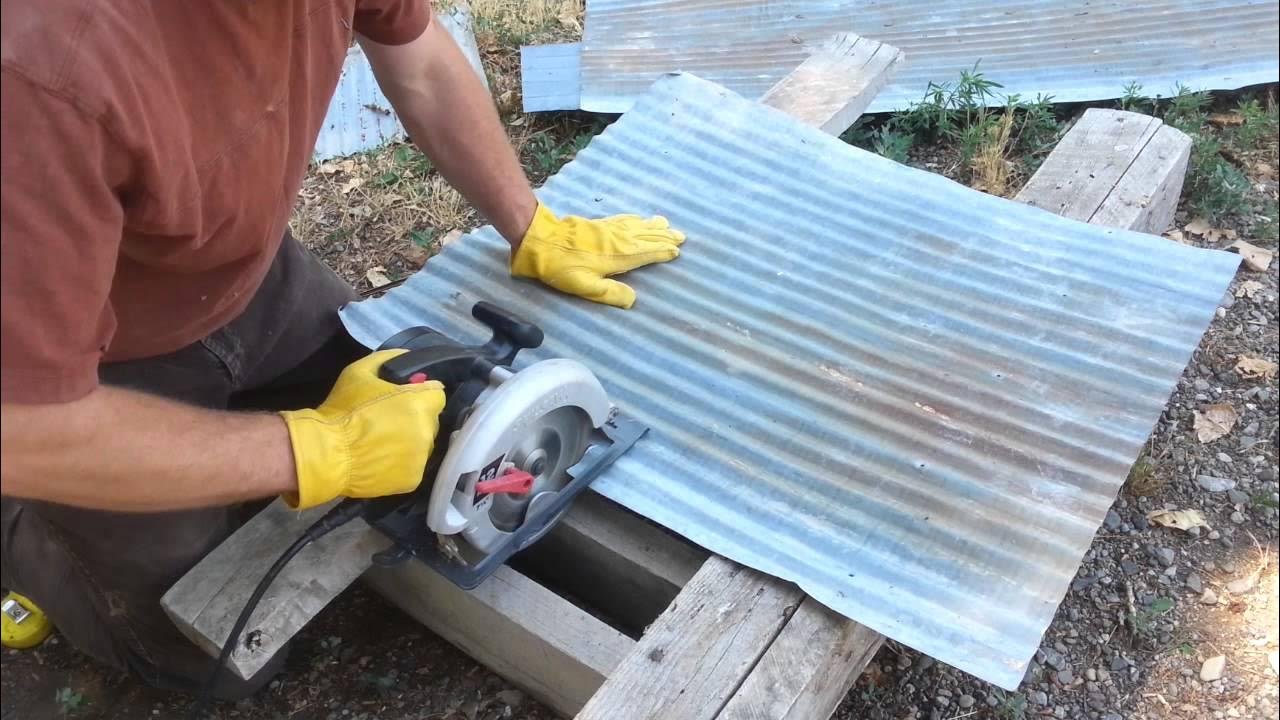
How to Cut Metal Roofing: A Simple, Beginner-Friendly Guide Cutting metal roofing can feel intimidating, right? It’s loud. It’s sharp. And if you’ve never done it before, you might worry about ruining a panel or hurting yourself. But here’s the good news: cutting metal roofing is 100% doable for beginners. If you take your time and use the right tools, you can make clean, smooth cuts—even if this is your first DIY roofing project. Think of it like cutting a thick piece of cardboard. It seems tough at first, but once you understand the tools, it becomes much easier. Whether you’re working on a shed, a garage, a tiny home, or replacing a few damaged pieces on your roof, this guide will walk you through everything step-by-step. Why Metal Roofing Needs Special Tools Metal roofing is stronger than wood or shingles, made from steel, aluminum, or galvanized panels that last for decades, so it needs special cutting tools. It can bend easily if you use the wrong cutting tool, which can ruin the panel shape and make installation harder than it needs to be for a simple DIY project. If you rush the cut or move too fast, metal panels can end up with jagged edges that are sharp, unsafe, and difficult to work with during installation. Using a grinder too quickly can throw sparks, burn the panel’s paint, and weaken the metal coating, leaving the roofing more likely to rust later. Corrugated metal panels have wavy ridges that require tools able to move across high and low spots without crushing or twisting the metal surface. Standing seam roofing has raised locking edges that need smooth, controlled cuts so the panels can snap and lock together tightly on the roof. Flat metal roofing sheets are easier to cut, but you still need steady support and sharp tools to avoid bending or scratching the surface. Every metal roofing style needs a different cutting method, and a roofing company Manhattan can help if you’re unsure which type of panel you have. All the Tools You Can Use to Cut Metal Roofing You might be wondering: “What’s the best way to cut metal roofing at home?” Here’s a simple breakdown of the most common metal roof cutting tools, how they work, and when you should use them. 1. Tin Snips Manual hand snips. Great for: Short cuts Tight corners Small adjustments Example: trimming around the edge of a vent. 2. Aviation Snips These come in left, right, and straight cutting versions. Why they’re helpful: They cut curves smoothly. They’re easier to control than tin snips. Perfect for cutting around pipe boots, skylights, or corners. If you’ve ever cut cardboard with regular scissors, aviation snips feel similar—just much stronger. 3. Circular Saw Use a circular saw blade made specifically for metal. Good for: Long, straight cuts Thick roofing sheets Cutting multiple panels at once Tip: clamp the panels together so they don’t shift. 4. Angle Grinder Yes, you can use an angle grinder for metal roofing, but be careful. Good for: Quick cuts Cutting through stubborn material Not great for: Clean edges Cutting near painted surfaces (sparks can burn the paint) 5. Jigsaw A jigsaw is slower but very precise. Think of it like drawing with a pencil instead of a marker. Use it for: Curves Rounded cuts Odd shapes 6. Metal Shears These come in manual and electric versions. Benefits: Smooth cuts Easy to handle Good for long, straight cuts Electric shears are perfect for beginners because they require less force. 7. Electric Nibbler A nibbler bites small pieces of metal out as it moves. Most roofing contractors love this tool because it leaves clean, professional edges. Why? Cuts are clean No sparks Works well on corrugated shapes Great for long and short cuts It may be the easiest tool for beginners to learn. Before You Start Cutting: Essential Prep Steps Cutting metal roofing isn’t just about pulling the trigger on a saw. Preparation is what makes the job go smoothly. 1. Measure Twice Have you ever cut something too short and regretted it later? Metal roofing is unforgiving—once it’s cut, it’s cut. Measure: Length Overhang Angle (if cutting for roof slope) Cut-out areas for vents or chimneys 2. Mark Your Cut Line Clearly Use: Marker Chalk line Straight edge Framing square Make sure your line is easy to follow. If you’re cutting a corrugated panel, mark the peaks and valleys. 3. Support the Panel Lay the panel on: A workbench Sawhorses A flat deck If the panel bends while cutting, the metal can pinch your blade or create a jagged edge. 4. Wear Proper Safety Gear Metal roofing is sharp—like paper cuts but worse. Wear: Gloves Safety glasses Long sleeves Ear protection Closed-toe shoes Ask yourself: Would you rather spend two minutes grabbing gloves or risk a painful cut? Step-by-Step Guide: How to Cut Metal Roofing Here’s the simplest way to cut metal roofing panels cleanly. Step 1: Choose the Right Tool Pick based on your cut: Long straight cuts → nibbler, shears, or circular saw Curves → jigsaw or aviation snips Notches → aviation snips Step 2: Set the Panel in Place Align it so the section you’re cutting hangs off the table just slightly. This gives your blade space to move. Step 3: Start Slowly Whether you’re using a saw or snips, begin with small, controlled motions. Rushing the first inch is a common mistake. Step 4: Follow the Line Steadily Look ahead at the line—not just at the blade. This helps you stay straight. Step 5: Clean Your Edges Use a file or sandpaper to remove sharp burrs. Have you ever grabbed a metal edge and felt a snag?