
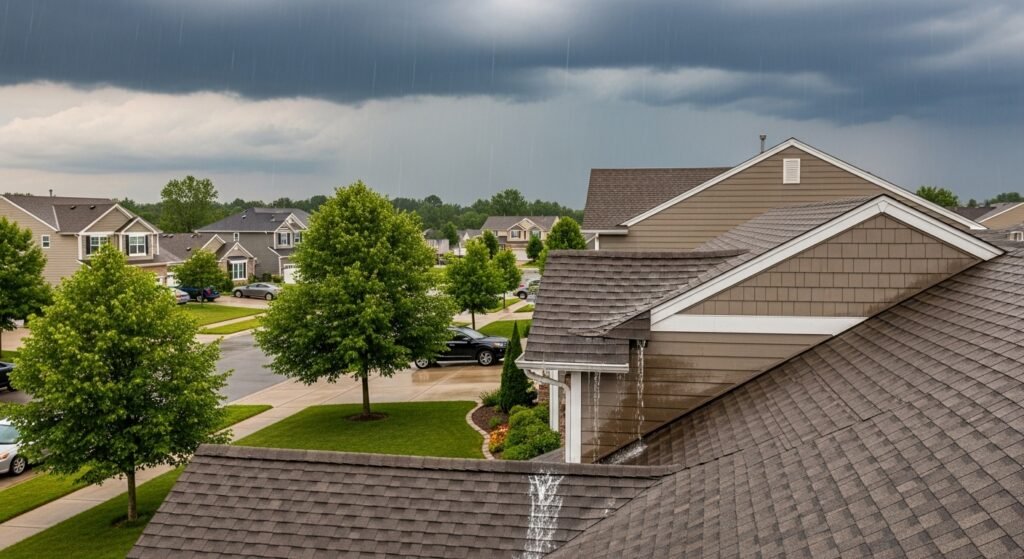
If you’re dealing with a dripping ceiling, here’s the straight answer: how do I fix a leaky roof starts with finding where the water’s getting in, then either patching it yourself with sealant or shingles for small damage, or calling a professional roofer for bigger problems. Some leaks are easy weekend fixes, but others especially around chimneys or under multiple layers of shingles really need an expert.
Why Roof Leaks Should Never Be Ignored
That small drip might seem manageable now, but roof leaks have a sneaky way of getting worse. What starts as a tiny water stain can spread into your insulation, rot your wood framing, and create the perfect environment for mold. Nobody wants to lie awake during a storm, wondering if that ceiling stain is about to turn into a waterfall.
The stress is real. Every time it rains hard, you’re up there with a bucket, hoping the damage isn’t spreading behind your walls. A solid roof leak repair now saves you from a much bigger headache later. Whether you’re dealing with a leaking roof repair emergency or planning a longer-term roof leak solution, acting fast is your best move.
Why Is My Roof Leaking?
Your roof takes a beating. Sun, wind, rain, snow, ice it’s constantly defending your home from the elements. Over time, materials break down, seals crack, and things just wear out. Sometimes a single storm is all it takes to expose a weak spot that’s been developing for years.
Understanding roof leak troubleshooting starts with knowing that water is tricky. It doesn’t always drip straight down from where it enters. It can travel along rafters, slide down pipes, and show up feet away from the actual problem. That’s why roof leak diagnosis takes some detective work.
Common Causes of Roof Leaks
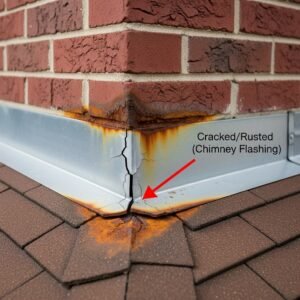
Here’s what usually goes wrong:
- Damaged or missing shingles: Wind can rip them off, hail can crack them, and age makes them brittle
- Failed flashing:Those metal pieces around chimneys, vents, and valleys are supposed to seal things up, but they can rust, crack, or pull loose
- Vent, chimney, and skylight leaks: Anywhere something pokes through your roof is a potential entry point for water
- Ice dams: In cold weather, ice builds up and forces water under your shingles (and yes, there’s a difference between condensation vs roof leak condensation forms inside from humidity, while leaks come from outside)
These common roof leaks account for most of the causes of roof leaks homeowners face. You’ll especially notice a roof leak during rain or a roof leak after storm when water finds every weak spot.
How to Find the Source of a Roof Leak
Time to play detective. Grab a flashlight and prepare to do some investigating. But first safety matters. If you’re climbing on your roof, use a sturdy ladder, wear rubber-soled shoes, and consider a harness if your roof is steep. Don’t go up there in wet or windy conditions.
Interior Signs to Check First
Start inside where it’s safer. Look for:
- Water stains on ceiling from roof leak: brownish rings or discoloration
- Signs in your roof leak attic:damp insulation, dark spots on wood, or actual dripping
- Roof leak ceiling damage: sagging drywall or peeling paint
Check your attic during or right after rain. Follow any wet spots upward and toward the roof peak remember, water travels. Look at the underside of your roof decking and along rafters. Fresh water marks will be darker than old stains.
Exterior Roof Inspection Tips
Once you find roof leak source candidates inside, head outside to identify roof leak entry points. To locate roof leak problems, focus on these trouble zones:
- Valleys where two roof planes meet
- Flashing around chimneys, vents, and skylights
- Nail pops where fasteners have worked loose
- Roof seams where materials overlap
A thorough roof leak inspection means checking every penetration and transition. Look for cracked caulk, rusty metal, lifted shingles, or gaps. Take photos so you remember what you found.
Emergency Roof Leak Repair (Temporary Fixes)
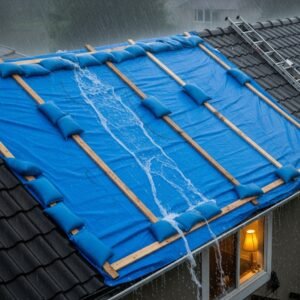
It’s pouring outside and water’s coming through your ceiling right now. You need an emergency roof leak repair to stop roof leak damage until you can make permanent repairs. These temporary roof leak fix options buy you time they’re not forever solutions.
Temporary Fixes You Can Do Right Away
- Roof tarp: Throw a heavy tarp over the leak area and secure it with boards and sandbags (don’t nail through good shingles)
- Roof tar leak fix: Roofing tar or cement can seal small cracks and holes temporarily
- Roof patch repair: Self-adhesive patches work on flat or low-slope roofs
- Roof sealant for leaks: Squeeze sealant or caulk into small gaps around flashing
Keep supplies like tar, roofing cement, caulk, and sealant on hand if you live in an area with frequent storms. Just remember these are band-aids, not cures.
How to Fix a Leaky Roof Permanently (Step-by-Step)
Ready for a real fix? Here’s your step by step roof leak repair guide. Work on a dry, calm day with good light.
Step 1 – Replace or Repair Damaged Shingles
A shingle roof leak from missing shingles leak or cracked shingles leak is actually pretty straightforward to fix. For an asphalt shingle roof leak:
Carefully lift the shingles above the damaged one. Remove nails with a pry bar. Slide out the bad shingle and slide a new one into place. Nail it down (four nails per shingle), then seal the edges with roofing cement. Press the upper shingles back down.
Step 2 – Fix Flashing and Penetrations
Problems like chimney flashing leak, roof leak around vent, or pipe boot leak repair need careful attention. For flashing leak repair:
Remove any old caulk or sealant. If the flashing is bent or rusted, replace it entirely. Install new step flashing by weaving it between shingle courses. Seal all edges with quality roofing sealant but don’t go crazy. Too much sealant can trap water.
Step 3 – Address Roof Valleys and Seams
A valley roof leak or roof seam leak happens where water naturally concentrates. Sometimes you’ll find a roof membrane leak underneath.
Check if valley flashing is intact. If it’s damaged, you might need to remove shingles on both sides, install new valley flashing, then relay shingles properly. Seams should overlap correctly with the upper piece over the lower one.
Roof Leak Repair by Roof Type
Different roofs need different approaches.
Asphalt & Shingle Roof Leak Repair
Asphalt shingles are the most common and usually the easiest to work with. Repairs involve replacing individual shingles or sections. The materials are affordable and available everywhere.
Most homeowners can handle basic shingle repairs themselves. Just match your existing shingles as closely as possible take a sample to the store.
Metal Roof Leak Repair
Metal roofs leak at fasteners and seams. Exposed screws work loose over time or their rubber washers deteriorate.
Tighten loose screws or replace them with new ones that have fresh washers. Seal seams with butyl tape or metal roof sealant. Don’t use regular caulk it won’t hold up.
Flat & Rubber Roof Leak Repair
Flat roof leak repair requires different materials. For an EPDM roof leak fix or TPO roof leak repair, you’ll need compatible patches and adhesive.
Modified bitumen and torch down roof leak repairs can be tricky and dangerous if you’re not experienced with torches. These are usually better left to professionals who have the right equipment.
Tile, Slate & Wood Shake Roof Leaks
A clay tile roof leak or concrete tile roof leak often happens when tiles crack or slip. Replacing them requires care since walking on tile can break more.
Slate roof leak repair and wood shake roof leak fixes also demand special skills. These premium materials deserve professional handling to avoid making things worse.
Roof Leaks After Storms and Heavy Weather
That calm after the storm can be anything but calm when you discover water inside. Storm damage roof leak problems from wind damage roof leak or hail damage roof leak can happen suddenly.
When your roof leaking in heavy rain starts, it’s stressful. You’re worried about your belongings, your family’s safety, and how much this will cost. Document everything with photos for insurance purposes, then get a tarp up if needed.
Interior Damage Caused by Roof Leaks
Beyond the roof itself, leaks create problems inside your home. Roof leak mold can develop within 24-48 hours in damp materials. Black spots on wood or a musty smell mean you’ve got growth starting.
Roof leak water damage ruins ceilings, walls, and floors. Roof leak insulation damage means your insulation loses its effectiveness wet insulation is useless insulation. Roof leak drywall damage shows up as staining, bubbling, or sagging.
Catching leaks early prevents most of this. A small repair now beats a major interior renovation later.
How Much Does It Cost to Fix a Roof Leak?
The roof leak repair cost varies wildly depending on what’s wrong. A simple shingle replacement might run a couple of hundred dollars. Extensive flashing work, valley repairs, or structural damage could cost thousands.
How much does it costs to fix a roof leak really depends on the leak size, your roof type, and local labor rates. Get multiple quotes and don’t automatically pick the cheapest. Quality matters here.
Is a Roof Leak Covered by Insurance?
Filing a roof leak insurance claim depends on what caused the damage. Generally, a roof leak covered by insurance happens when storms or sudden events cause damage.
The roof leak claim process starts with documenting damage and reviewing your policy. Wear-and-tear from age usually isn’t covered, but wind or hail damage often is. Talk to your agent and get professional documentation of the cause.
When to Call a Professional Roofer
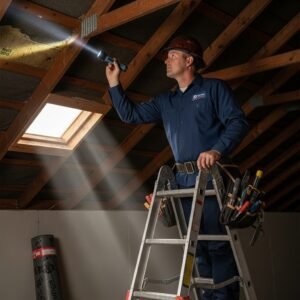
Sometimes DIY isn’t the answer. Know when to call a roofer for leak help:
If your leak involves multiple areas, structural damage, or you’re just not comfortable on a ladder, get professional roof leak repair. Complex flashing work, steep roofs, and hidden damage all warrant expert eyes.
Looking for local roof leak repair? Companies like Manhattan Roofing bring experience and proper equipment to diagnose and fix problems correctly the first time.
Roof Leak Prevention and Maintenance Tips
An ounce of prevention really is worth a pound of cure. Here’s how to prevent roof leaks:
Use this roof maintenance checklist: Clean gutters twice yearly, trim overhanging branches, inspect after major storms, and schedule a roof inspection for leaks annually. Look for loose or damaged shingles, check flashing, and watch for moss or algae growth.
If your roof is getting old, you might be wondering how often to replace roof materials entirely. Most asphalt shingle roofs last 20-25 years, but that depends on climate, installation quality, and maintenance. Regular inspections help you plan for eventual replacement before emergency leaks force your hand.
Fix the Leak Early to Protect Your Home
Every day you wait, that leak gets worse. Water damage spreads, repair costs climb, and your home’s value drops.
Whether you tackle small repairs yourself or bring in professionals for bigger jobs, taking action now protects your biggest investment. Regular inspections catch problems early, and quick fixes prevent disasters.
Need help with a stubborn leak? Manhattan Roofing has seen it all and can guide you toward the right solution for your home and budget. Don’t let a small drip become a big problem.