
How Much Does a
New Roof Cost?
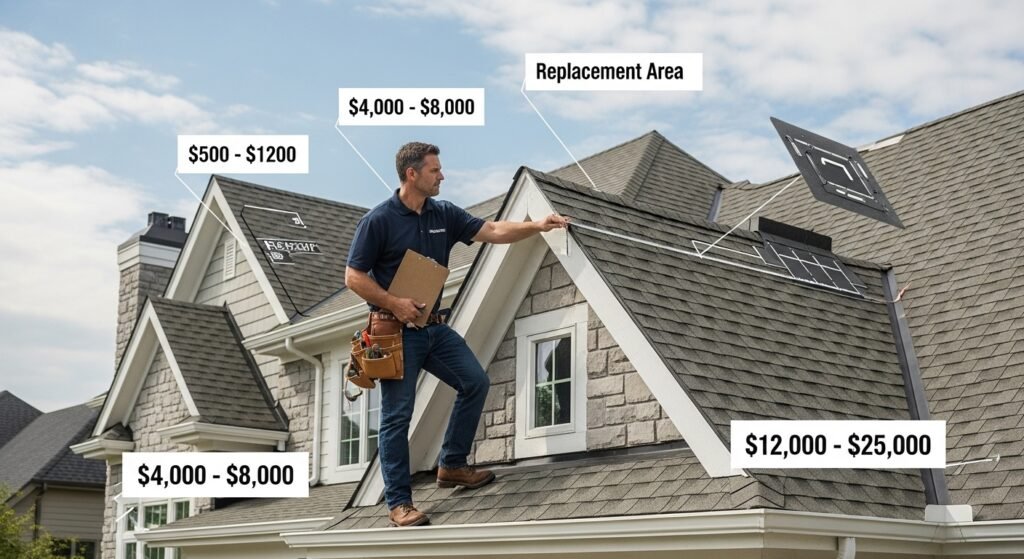
When it’s time for a roof replacement, one of the biggest concerns homeowners have is the cost. Whether you’re dealing with a roof that’s worn out from years of exposure or you’ve experienced damage from a storm, knowing how much a new roof costs can help you plan and budget effectively. The cost of a new roof can vary depending on several factors, including the type of roofing material, the size of the roof, and the roofing company you hire. In this article, we’ll explore what affects the price of a new roof and provide some guidance on budgeting for this important home improvement.
Factors Affecting the Cost of a New Roof
The cost of a new roof depends on multiple factors. The type of material you choose, the size and pitch of your roof, and the complexity of the installation all play a role in determining the total cost. Additionally, whether you are replacing an existing roof or installing a roof on a new home can also affect the pricing. Let’s take a closer look at these factors to help you understand how the cost of a new roof is determined.
Roofing Material
The material you choose for your new roof is one of the most significant factors that will affect the price. There are several types of roofing materials available, each with its own price range, lifespan, and appearance. Here are some common roofing materials and their average costs:
- Asphalt Shingles: Asphalt shingles are the most common roofing material and are known for being cost-effective and easy to install. They typically cost between $3,000 and $7,000 for a standard roof replacement. Asphalt shingles are available in a variety of colors and styles, making them a popular choice for many homeowners.
- Metal Roofing: Metal roofing is a durable, long-lasting option that is becoming more popular. It is available in various styles, including standing seam metal roofs and metal shingles. While metal roofing is more expensive than asphalt, it offers benefits such as energy efficiency and a longer lifespan. The average cost for metal roofing can range from $8,000 to $15,000 or more, depending on the type of metal and the size of the roof.
- Wood Shingles or Shakes: Wood roofing materials, such as cedar shingles or shakes, offer a natural, rustic look. However, they require more maintenance and tend to have a shorter lifespan than other materials. The average cost for wood roofing is typically between $6,000 and $12,000 for an average-sized roof.
- Clay or Concrete Tiles: Clay and concrete tiles are popular in regions with hot climates because of their durability and energy efficiency. They are often seen in Mediterranean or Spanish-style homes. The cost of clay or concrete tiles ranges from $10,000 to $30,000, depending on the size of the roof and the complexity of the installation.
- Slate Roofing: Slate is a premium roofing material known for its beauty and longevity. It is one of the most expensive roofing materials, with costs ranging from $15,000 to $40,000 for an average-sized roof. Slate roofing requires specialized installation and is typically chosen for high-end homes.
Each material has its own advantages and drawbacks, and choosing the right one for your home depends on your budget, climate, and aesthetic preferences.
Roof Size and Complexity
The size and complexity of your roof are significant factors in the cost of a new roof. The larger your roof, the more materials and labor are required to complete the job. Roofers calculate the size of your roof in “squares,” with one square equaling 100 square feet. The average home requires between 20 and 30 squares of roofing, but larger homes or multi-story buildings may require more.
The complexity of your roof also impacts the cost. Roofs with steep pitches, multiple angles, or intricate features (like skylights, chimneys, or valleys) require more labor and skill to install. These factors can increase both the material costs and the labor costs, as more time and effort are needed to ensure the roof is installed properly.
Roof Pitch and Design
The pitch or slope of your roof is another key factor that influences the overall cost. A steep roof pitch makes installation more challenging and can require additional safety measures, increasing the cost of labor. If your roof has multiple levels or dormers, it may require more cutting and fitting of roofing materials, which can increase both time and expense.
Conversely, a low-slope or flat roof typically costs less to install, but it may require additional waterproofing materials to prevent leaks, which could raise the overall price. Roof design, including any architectural features such as turrets or complex angles, will also impact the cost due to the additional work needed.
Labor and Installation Costs
Labor costs make up a significant portion of the cost of a new roof. Roofing contractors near me charge based on their hourly rates, which vary depending on the region, the complexity of the job, and the roofing company. While it’s tempting to choose a contractor based on the lowest price, it’s important to find a reputable roofing company with experienced professionals. Poor installation can lead to leaks, damage, and costly repairs down the line.
The total labor cost will depend on the size and complexity of the roof, as well as the amount of preparation work that needs to be done. In some cases, if the old roof needs to be removed before installing the new one, the labor costs may increase. Always ask for a detailed breakdown of the labor costs from the roofing company before beginning the project.
Location and Accessibility
Your location plays a role in determining the cost of your new roof. If you live in an area with high labor costs or a shortage of roofing contractors, you can expect to pay more for installation. Similarly, if your home is in a remote area or the roof is difficult to access, contractors may charge extra for the additional time and effort required to complete the job.
It’s also important to consider the cost of local permits and building codes. Depending on your area, you may need permits for roof replacement, which can add to the cost of the project. Roofing companies near me should be familiar with local regulations and can assist in acquiring the necessary permits for your roof replacement.
Additional Costs to Consider
When budgeting for a new roof, it’s essential to account for additional costs that might arise during the project. These can include:
- Roof Removal: If your old roof needs to be removed before installing the new one, this can add to the overall cost. Roof removal typically costs between $1,000 and $2,000, depending on the size of your roof and the materials being removed.
- Underlayment and Flashing: Underlayment is a protective barrier that helps prevent leaks, and flashing is used around roof joints, chimneys, and vents to prevent water from seeping in. These materials are essential for a long-lasting roof and can add to the cost.
- Roof Cleaning: If your roof has accumulated moss, algae, or debris, you may need a roof cleaning service before starting the installation. Roof cleaning typically costs between $300 and $600.
- Roof Inspections: Before replacing your roof, a professional roof inspection may be required to assess the condition of the structure and ensure that it’s safe to install a new roof. Inspections can cost around $100 to $400.
How to Save Money on a New Roof
While a new roof can be a significant investment, there are several ways to save money without sacrificing quality:
- Get Multiple Quotes: Always get quotes from several roofing contractors before making a decision. This allows you to compare prices and find a contractor who offers the best value for your budget.
- Choose a Cost-Effective Material: If you’re looking to save money, consider opting for asphalt shingles or other budget-friendly materials. While they may not last as long as more expensive options, they offer solid protection at a lower cost.
- Schedule the Installation in Off-Season: Roofing companies are often busiest during the warmer months. If you can schedule your roof replacement during the off-season (fall or winter), you may be able to take advantage of lower labor costs.
- Consider Roof Repair Instead of Replacement: If your roof is only slightly damaged, it might be worth considering roof repair near me instead of a full replacement. Repairing small issues can extend the life of your roof without the cost of a new installation.
Conclusion
The cost of a new roof varies widely based on factors such as the material you choose, the size and complexity of your roof, and the labor costs in your area. On average, a roof replacement can cost anywhere from a few thousand dollars for asphalt shingles to tens of thousands of dollars for premium materials like slate or metal roofing. By understanding the factors that affect the cost of a new roof, you can better plan and budget for this important home improvement project.
When it’s time for a roof replacement, it’s important to hire a reputable roofing company near me that can help you choose the right materials, provide quality installation, and ensure that your roof will protect your home for years to come. Whether you’re looking for a simple asphalt roof or a more durable, long-lasting option like metal roofing, taking the time to plan and budget properly will help ensure a successful project.