
If you’ve ever looked at a house and noticed the triangular shape at the end of the roof, you’ve already seen a gable roof. It’s one of the most common roof styles in North America and for good reason.
Whether you’re buying a home, planning a renovation, or just trying to understand what your contractor is talking about, this guide will walk you through everything you need to know. No confusing jargon. No engineering degree required. Just clear, simple answers.
And yes, the type of roof over your head actually affects your health. A well-designed gable roof helps with drainage, ventilation, and keeping moisture out all things that directly impact the air you breathe inside your home.
Define Gable Roof Basic Structure and Anatomy
What Does a Gable Roof Look Like?
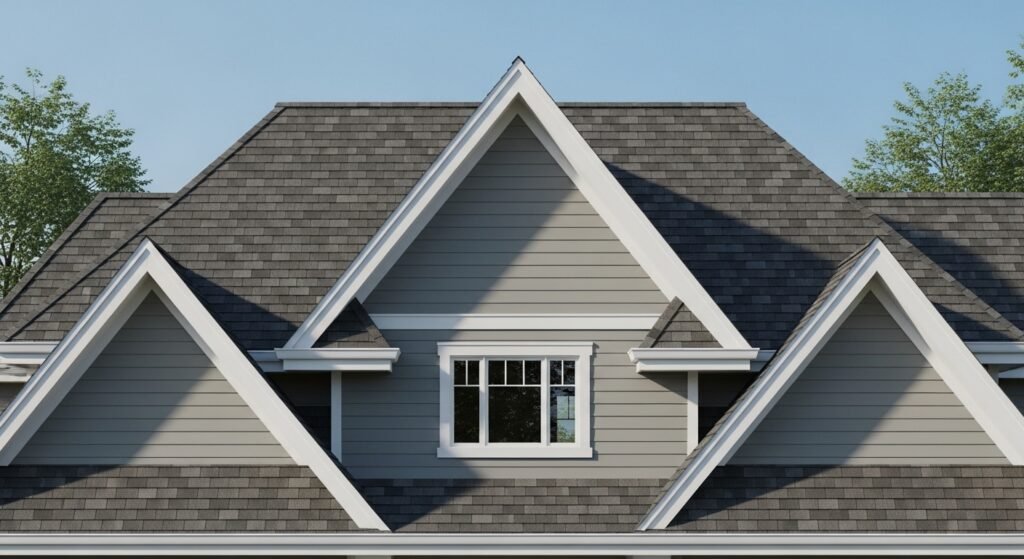
Picture a classic house drawing from childhood. Two sloping sides meeting at the top, with a triangular wall at each end. That’s a gable roof.
The triangle-shaped wall you see at the end of the house is called the gable wall. The very top where the two slopes meet is the apex or more commonly, the ridge.
Here are the main parts you’ll notice from the outside:
- Ridge – The peak running along the top of the roof
- Rafters – The sloped beams that support the roof surface
- Eaves – The lower edges of the roof that hang over the walls
- Fascia – The flat board running along the eave line
- Soffit – The underside of the roof overhang
- Gutters – Attached to the fascia to carry rainwater away
- Overhang – How far the roof extends past the exterior walls
Each of these parts plays a role in protecting your home. And together, they form a system that keeps water out and air flowing.
Gable Roof Structure Explained
Underneath those shingles, there’s a lot going on. The gable roof structure starts with a framing system made up of rafters or trusses these carry the weight of the entire roof.
A ridge board runs along the top and connects the rafters on both sides. Below that, joists and beams tie everything together and transfer the load down to your walls and foundation.
On top of the framing goes the decking usually plywood or OSB followed by a waterproof underlayment. Then comes your visible roof covering, which could be asphalt shingles, metal panels, slate, clay tiles, or wood shakes.
Ventilation is built into the structure too. Ridge vents at the top and soffit vents at the bottom create airflow through the attic. This keeps temperatures balanced and prevents moisture from building up inside which matters more than most people realize.
Why Is It Called a Gable Roof?
The word “gable” comes from old Germanic and Norse roots, referring to the triangular end of a wall beneath a pitched roof. It’s been part of architecture for centuries.
You’ll find gable roofs on ancient Greek temples, medieval European homes, and pretty much every suburban neighborhood in America today. The design is timeless because it works. Simple geometry, effective water shedding, and easy construction made it the go-to choice for builders across generations.
Today, it’s still the default for residential construction in most of the country.
What Is the Purpose of a Gable Roof?
So what is a gable roof actually used for, beyond just covering your house?
Drainage is the big one. The two sloping sides naturally push rain and snow off to the sides. Water doesn’t pool. It flows down and into the gutters. That means less risk of leaks, rot, or structural damage over time.
A gable roof also creates attic space. That extra room above your ceiling can be used for storage, insulation, or even a living space if the pitch is steep enough.
Ventilation is another huge benefit especially for your health. When warm, humid air rises into the attic, it needs somewhere to go. The gable design allows air to circulate naturally, reducing condensation, discouraging mold growth, and keeping your insulation performing the way it should.
From a practical standpoint, gable roofs are also cost-effective and straightforward to build. Fewer complicated angles mean faster construction and lower labor costs.
How Does a Gable Roof Work?
The mechanics are pretty simple. Two roof panels slope away from a central ridge at the top. Gravity does the work rain runs down the slope, snow slides off, and everything drains away from the house.
The pitch of the roof (how steep it is) determines how fast water moves off and how much snow load it can handle. Steeper pitches shed snow faster. Shallower pitches are better in mild climates with little precipitation.
The structure transfers weight from the roof surface, down through the rafters, into the walls, and finally into the foundation. It’s a clean load path that’s been trusted for centuries.
Airflow works on a similar principle. Cool air enters through soffit vents at the bottom of the roof. Warm air escapes through ridge vents at the top. This passive ventilation system keeps your attic dry and your energy bills in check.
Understanding roof pitch is key to evaluating any gable roof design. If you want to dig deeper into the numbers, check out this guide on how to calculate roof pitch it breaks down the math in plain English.
What Is the Angle of a Gable Roof?
The angle or pitch is expressed as a ratio. A 4:12 pitch means the roof rises 4 inches for every 12 inches of horizontal run.
Common residential pitches range from 4:12 to 9:12, though steeper roofs do exist. Here’s a quick breakdown:
- Low pitch (2:12 to 4:12): Easier to walk on, but slower drainage
- Medium pitch (4:12 to 6:12): Most common in residential homes, great balance of drainage and wind resistance
- Steep pitch (8:12 and above): Fast drainage and great for snow, but higher construction costs
Pitch affects everything snow load capacity, wind pressure, attic height, and even how long your shingles last. It’s one of the first decisions made when designing a roof.
Types of Gable Roof Designs
Gable roofs aren’t one-size-fits-all. Architects and builders use several variations depending on the home’s layout and style.
Open Gable Roof
This is the classic version. The gable end is left open just the triangular wall visible beneath the roofline. Clean, simple, and traditional.
Box Gable Roof
Similar to an open gable, but the triangle at the end is boxed in with the same material as the roof overhang. It gives the roof a more finished, enclosed look and adds a little extra protection.
Cross Gable Roof
This style uses two or more gable sections that intersect at right angles. You’ll see this on L-shaped or T-shaped homes. It adds visual interest but also creates more complex valleys where water can collect, so proper flashing is critical.
Front Gable Roof
The gable faces the front of the house, directly above the entryway. It’s common in Colonial and craftsman-style homes and creates a bold, symmetrical front facade.
Side Gable Roof
The most traditional version two equal slopes run from front to back, and the gable ends face the sides of the house. This is what most people picture when they think “gable roof.”
Dutch Gable Roof
A hybrid between a gable and hip roof. The upper portion is a small gable, while the lower portion has the angled hip roof style. You get the extra attic space of a gable with some of the wind resistance of a hip roof.
Gable Roof vs Other Roof Types
Wondering how a gable roof stacks up against the alternatives? Here’s a quick comparison.
Gable Roof vs Hip Roof
Feature | Gable Roof | Hip Roof |
Wind resistance | Moderate | Excellent |
Cost | Lower | Higher |
Drainage | Good | Very good |
Attic space | More | Less |
Complexity | Simple | More complex |
Hip roofs slope on all four sides, making them more aerodynamic. Gable roofs are cheaper to build and offer more usable attic space, but they can be vulnerable in high wind regions.
Gable Roof vs Flat Roof
Flat roofs are common on commercial buildings and modern homes. They’re cheaper upfront but require far more maintenance and are prone to pooling water. Gable roofs are almost always better for residential use in climates with rain or snow.
Gable Roof vs Gambrel Roof
A gambrel roof (think barn-style) has two different slopes on each side a steeper lower slope and a flatter upper one. This maximizes attic space. Gable roofs are simpler and less expensive, but gambrel roofs give you more overhead room.
Gable Roof vs Mansard Roof
Mansard roofs have four sides with two slopes each the lower being very steep. They maximize living space in the upper level. They’re beautiful and common in French architecture, but significantly more expensive than gable roofs.
Gable Roof vs Shed Roof
A shed roof is a single slope. Simple, modern, and inexpensive. Gable roofs are more traditional and handle wind better from multiple directions.
What Are the Benefits of a Gable Roof?
There’s a reason this style has dominated residential construction for so long. Here’s what makes it so popular:
- Excellent drainage — Rain and snow run off quickly, reducing leak risk
- Affordable framing — Simple design means lower material and labor costs
- Easy to build — Most contractors are very familiar with the design
- Good attic ventilation — Promotes airflow that protects against mold and moisture
- Low maintenance — Straightforward design means fewer problem areas
- Snow performance — Steeper pitches shed snow naturally
Is a gable roof good for snow?
Yes especially with a steeper pitch. The slope allows snow to slide off before the weight becomes a structural concern.
Is a gable roof good for high winds?
It depends. In moderate wind areas, gable roofs perform fine. In hurricane-prone or coastal regions, the flat gable end can act like a sail and create uplift risk so proper engineering and bracing are essential.
What Are the Disadvantages of a Gable Roof?
No roof style is perfect. Here’s where gable roofs can fall short.
The biggest concern is wind vulnerability. The triangular gable wall at each end of the roof is flat, which means strong winds can push against it directly. In hurricane zones or areas with sustained high winds, this can cause the roof to peel back or the gable end to collapse if it isn’t properly braced.
For coastal homes, this is a real consideration. Building codes in many hurricane-prone areas now require additional bracing and engineering for gable roofs. It’s not a dealbreaker but it does add cost and complexity.
There’s also the issue of overhang exposure. Wide overhangs, which are great for shade and drainage, can catch wind from underneath. In storm-prone areas, shorter overhangs or hip roof sections are sometimes recommended.
Bottom line: in most parts of the country, a gable roof is a smart, reliable choice. In high-wind or coastal areas, just make sure it’s built and braced to local code.
How to Build a Gable Roof (Basic Construction Overview)
Building a gable roof isn’t a weekend DIY project it involves structural engineering, precise framing, and proper weatherproofing. Here’s a high-level look at how it comes together.
It starts with planning and blueprints. The roof pitch, span, and load requirements are calculated before a single board goes up. Truss design or rafter sizing is determined based on snow loads, wind exposure, and the weight of the roofing material.
Next comes framing. A ridge board is set at the peak, and rafters or prefabricated trusses are installed on either side. This skeleton gives the roof its shape and carries all the weight.
Once framing is complete, decking (usually plywood or OSB) is nailed across the rafters. Then comes underlayment a waterproof barrier that goes on before shingles or panels.
Flashing is installed around chimneys, vents, and any valleys to prevent water from sneaking in at the seams. Finally, the visible roofing material shingles, metal, tile, or slate is applied from the bottom up, overlapping like fish scales to shed water.
Ventilation components like ridge vents and soffit vents are incorporated throughout, ensuring long-term airflow in the attic.
This is skilled work. Always hire a licensed contractor for roof installation or major repairs.
Gable Roof Materials and Lifespan
The materials you choose affect everything appearance, durability, cost, and long-term maintenance.
Asphalt shingles are by far the most common. They’re affordable, widely available, and last 20–30 years with proper maintenance. Most residential gable roofs in the U.S. use them.
Metal roofing is growing in popularity. It lasts 40–70 years, handles snow and wind well, and is excellent for energy efficiency. Higher upfront cost, but lower long-term expense.
Slate is the premium option beautiful, durable, and capable of lasting 100+ years. But it’s heavy and expensive to install.
Clay or concrete tiles are common in warmer climates. They’re durable and fire-resistant, but also heavy and require proper structural support.
Wood shingles or shakes offer a natural, traditional look but require more maintenance and aren’t ideal in wet or fire-prone climates.
When budgeting for a gable roof, costs vary widely based on material, size, and labor. Asphalt roofs might run $5,000–$15,000 for an average home. Metal, slate, or tile will cost significantly more. Regular inspections and maintenance can extend the life of any roof and prevent expensive repairs down the road.
Gable Roof in Different Climates
The gable roof adapts well to most climates but some adjustments help it perform better in specific conditions.
In cold, snowy climates, a steeper pitch (6:12 or higher) helps snow shed before it accumulates dangerously. Proper insulation and ventilation are critical to preventing ice dams, which form when heat escapes through the roof and melts snow unevenly.
In mild or rainy climates, a moderate pitch handles drainage well. The key is quality underlayment and properly functioning gutters.
In high-wind areas, gable ends should be structurally braced and overhangs kept minimal. Consulting a structural engineer is worth it before building in these zones.
In coastal or hurricane-prone areas, local building codes often mandate hurricane straps, reinforced connections, and specific framing details. A properly engineered gable roof can hold up but it takes planning.
Modern vs Traditional Gable Roof Architecture
Gable roofs look just as at home on a farmhouse as they do on a sleek contemporary build. The design is versatile enough to span centuries of architectural style.
Traditional gable roofs feature symmetrical slopes, natural materials like wood or slate, and decorative trim details at the gable ends. You’ll see them on Cape Cod homes, craftsman bungalows, and colonial revivals.
Modern gable roofs often play with asymmetry, steep pitches, and clean lines. Large glass panels in the gable walls, metal roofing, and minimal overhangs give new builds a fresh, architectural feel.
Even on small houses, a well-designed gable roof adds character and curb appeal. On larger homes, cross gable designs allow for complex, interesting rooflines without sacrificing function.
Whether you’re building new, replacing a roof, or just evaluating what you’ve got, working with experienced professionals makes all the difference. Companies like Manhattan Roofing specialize in residential roofing and can help homeowners assess their options, understand local code requirements, and plan for long-term performance.
Making the Right Roofing Choice
A gable roof is more than just a classic shape on top of a house. It’s a system one that protects your home from water damage, supports healthy airflow, and holds up to decades of weather when it’s built right.
Understanding the basics helps you make smarter decisions, whether you’re buying, building, or maintaining a home. You don’t need to be an expert. But knowing what’s over your head is always a good idea.